
Essential HVAC Care and Maintenance: Tips for Reliable Comfort
Maintaining your heating, ventilation, and air conditioning system is crucial for ensuring comfort and efficiency throughout the year. Proper care prevents unexpected breakdowns and extends the life of your equipment. I will share practical tips that help you keep your HVAC system running smoothly and avoid costly repairs.
Understanding HVAC Care and Maintenance
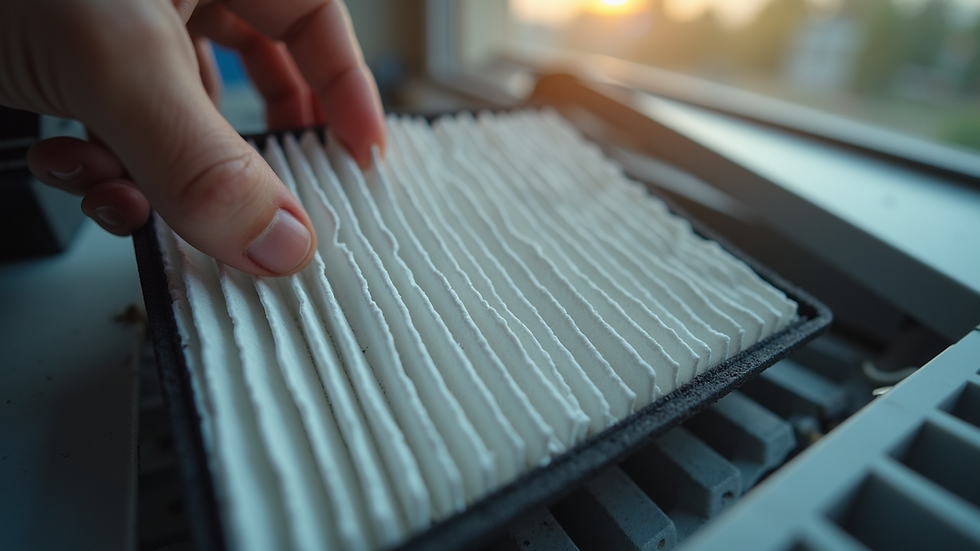
Regular HVAC care and maintenance involve routine inspections, cleaning, and minor repairs. These tasks help identify potential issues early and improve system performance. For example, changing air filters every 1-3 months prevents dust buildup that can reduce airflow and strain the system.
Here are some key maintenance tasks to perform regularly:
Check and replace air filters: Dirty filters reduce efficiency and air quality.
Clean condenser and evaporator coils: Dust and debris on coils reduce heat exchange.
Inspect ductwork for leaks: Leaks cause energy loss and uneven heating or cooling.
Clear drain lines: Blocked drain lines can cause water damage and mold growth.
Test thermostat settings: Ensure the thermostat accurately controls temperature.
Scheduling professional inspections at least once a year is also important. Technicians can perform detailed checks, clean internal components, and calibrate controls.
Signs Your HVAC System Needs Attention
Recognizing early signs of trouble helps prevent major failures. Pay attention to these common indicators:
Unusual noises: Grinding, squealing, or rattling sounds may signal mechanical problems.
Inconsistent temperatures: Hot or cold spots in your space suggest airflow or duct issues.
Increased energy bills: A sudden spike often means the system is working harder due to inefficiency.
Frequent cycling: Short on/off cycles indicate thermostat or compressor problems.
Poor air quality: Excess dust, humidity, or odors can result from dirty filters or mold.
If you notice any of these signs, schedule a professional HVAC inspection promptly. Early intervention saves money and prevents discomfort.
DIY Maintenance Tips for Homeowners and Businesses
Some maintenance tasks are simple enough to do yourself. Here are practical steps you can take:
Replace or clean air filters monthly during heavy use seasons.
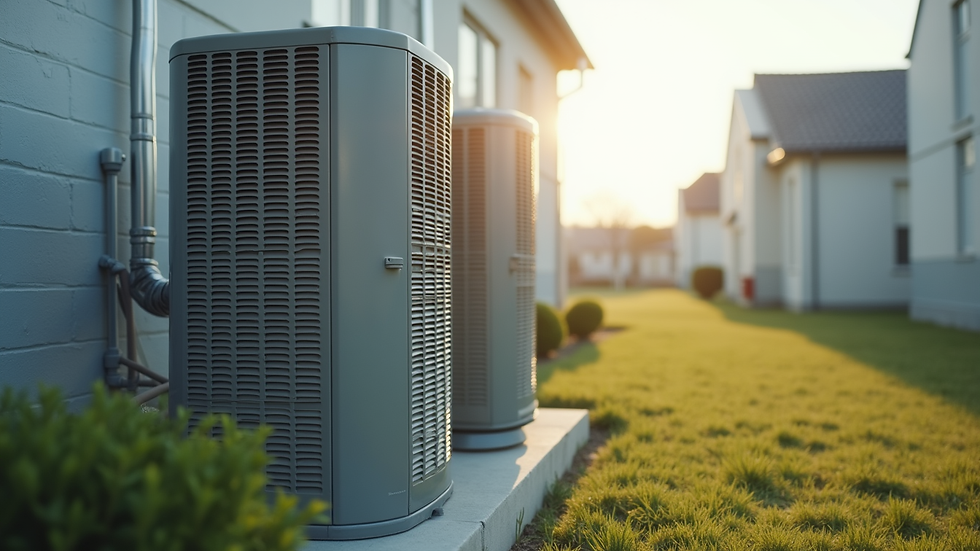
Keep outdoor units clear of leaves, dirt, and debris to ensure proper airflow.
Vacuum vents and registers to remove dust buildup.
Check thermostat batteries and settings regularly.
Inspect visible ductwork for disconnected or damaged sections.
Avoid attempting complex repairs or handling refrigerants yourself. These require specialized training and tools.
When to Call a Professional for HVAC Maintenance and Repair
While routine care is manageable, some situations require expert service. Contact a licensed technician if you experience:
Persistent system failures or error codes.
Refrigerant leaks or low refrigerant levels.
Electrical issues such as tripped breakers or burning smells.
Compressor or motor malfunctions.
Installation of new equipment or system upgrades.
Professional technicians have the knowledge and equipment to diagnose and fix complex problems safely. They also provide valuable advice on improving system efficiency and longevity.
For reliable service, consider hvac maintenance and repair from trusted local providers who prioritize personalized care and customer satisfaction.
Maximizing HVAC Efficiency and Longevity
Proper maintenance not only prevents breakdowns but also reduces energy consumption and extends equipment life. Follow these additional tips:
Seal and insulate ductwork to minimize energy loss.
Use programmable thermostats to optimize temperature control.
Schedule seasonal tune-ups to keep the system in peak condition.
Maintain proper airflow by keeping vents unobstructed.
Upgrade to energy-efficient equipment when replacement is necessary.
Implementing these practices helps maintain a comfortable environment while lowering utility costs.
Preparing Your HVAC System for Seasonal Changes
Seasonal transitions require specific attention to ensure your system adapts efficiently. Before winter, check heating components such as furnaces and heat pumps. In spring, focus on cooling system readiness.
Key seasonal tasks include:
Testing heating and cooling functions.
Cleaning or replacing filters.
Inspecting and cleaning coils.
Checking refrigerant levels.
Clearing outdoor units of debris.
Preparing your HVAC system for seasonal demands prevents unexpected failures and maintains comfort year-round.
Regular care and timely repairs keep your HVAC system reliable and efficient. By following these essential tips, you can avoid costly breakdowns and enjoy consistent comfort in your home or business. Prioritize routine maintenance and seek professional help when needed to protect your investment and ensure lasting performance.


Comments